1. A display-free pivot: Apple’s AI-first glasses redefine the wearable category
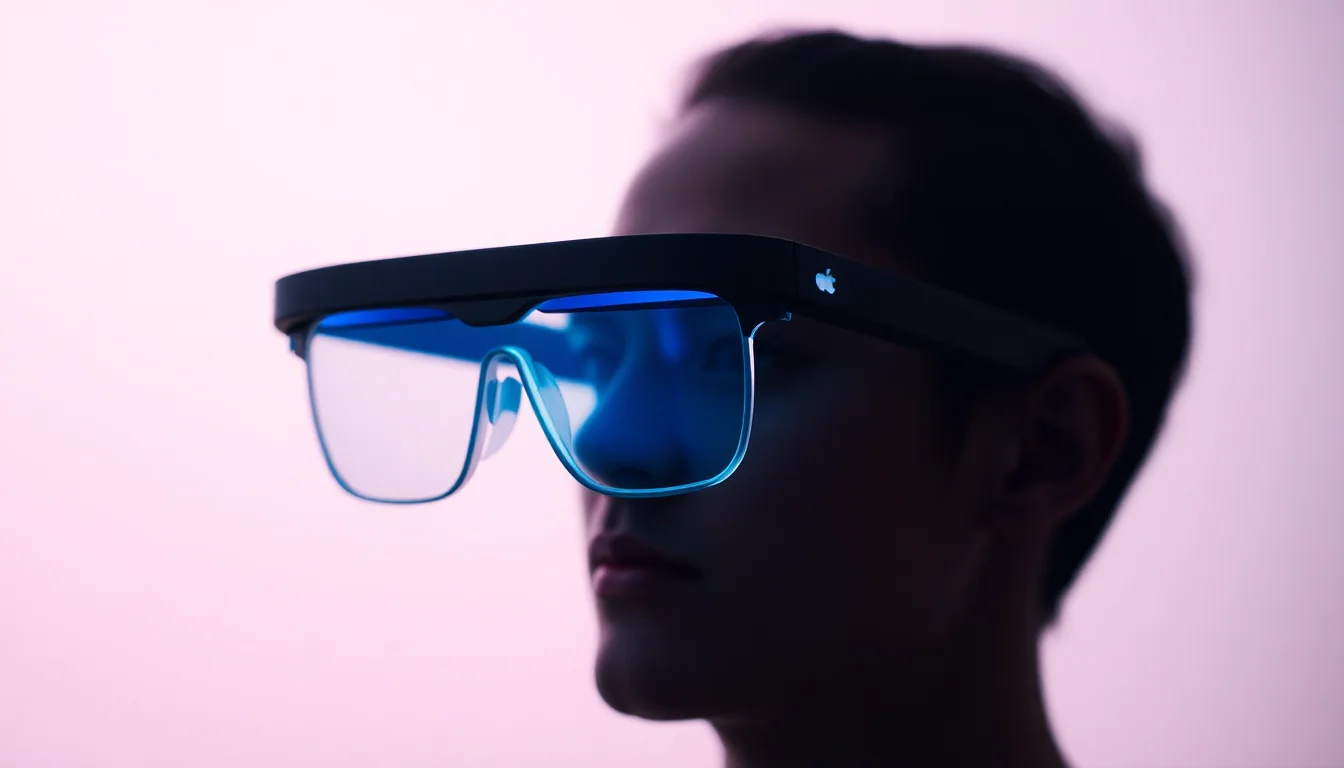
Apple is building smart glasses without a display to serve as an AI wearable, a line that reframes how we think about wearables. The core claim driving coverage is explicit: there will be no traditional display in the glasses. In place of a visual AR lens, the device is positioned to channel AI interactions through voice, context, and sensor data, turning the glasses into an AI-first wearable rather than a visual augmentation. This isn't a cosmetic rebrand; it marks a deliberate shift away from AR-visual UI toward a platform where AI acts as the primary interface. The Decoder report, which summarizes Bloomberg’s Gurman reporting, anchors this reading by describing Apple’s effort as a display-free AI wearable rather than a conventional head‑mounted display product.
2. Technical implications: UX, latency, and on-device AI considerations
With no visual AR layer to render information, interaction modalities would pivot toward voice, contextual cues, and audio cues, all mediated by the glasses’ sensors. In this setup, latency budgets, energy use, and how models are confined—on-device versus cloud—become central design constraints. The implication is a tilt toward on-device AI and privacy-preserving workflows, because the absence of a display intensifies the need to ensure responsive, context-aware interactions without leaking data over external networks. The core premise from The Decoder’s synthesis of Gurman’s Bloomberg reporting remains consistent: the glasses are framed as an AI wearable, not a display-based AR device.
3. Product rollout and tooling: building for an AI-first wearable
Tooling and platform integration would need to evolve to support dialog-based workflows, on-device model orchestration, and privacy-first data pipelines, all tightly integrated with Apple’s broader ecosystem. If Apple proceeds with an AI-first wearable, developers would likely require new toolchains and abstractions that align with voice-driven interactions and on-device inference. The repeated reference in reporting underscores the initiative’s scale: Apple is pursuing a display-free AI wearable, with implications for middleware, OS integration, and data governance embedded in the hardware–software–privacy triangle.
4. Market positioning and risk: where this leaves Apple and rivals
A successful display-free AI wearable could establish a new category standard for wearables—one that prioritizes AI-assisted interaction over visual AR overlays. Yet the approach carries risks: if users expect AR-like visuals or fail to find compelling voice/contextual UX, adoption could stall. Competitors may explore parallel AI-first wearables or hybrid models, potentially blurring the line between voice assistants on glasses and more traditional AR experiences. The analysis remains anchored to Apple’s reported direction: a display-free AI wearable could redefine category leadership, but execution detail and user reception will determine outcome.
5. What to watch next: signals, timelines, and data strategy
Key indicators will include hardware cadence signals, on-device AI capability progress, privacy controls, and third-party tooling announcements that reveal how Apple enables dialog-based workflows within its ecosystem. As prototypes evolve and internal tooling matures, observers should track whether the AI-first, display-free frame stays aligned with consumer expectations for a wearable, and whether governance and data handling stay tightly integrated with Apple’s privacy promises. The Decoder’s synthesis of Gurman’s reporting places Apple at the center of this pivot, making the upcoming tooling and security decisions a bellwether for the broader AI-wearables market.
Evidence anchor: Apple is building smart glasses without a display to serve as an AI wearable. The Decoder reports this alignment with Bloomberg’s Gurman, providing the grounding for the narrative and its implications for UX, tooling, and market positioning.


