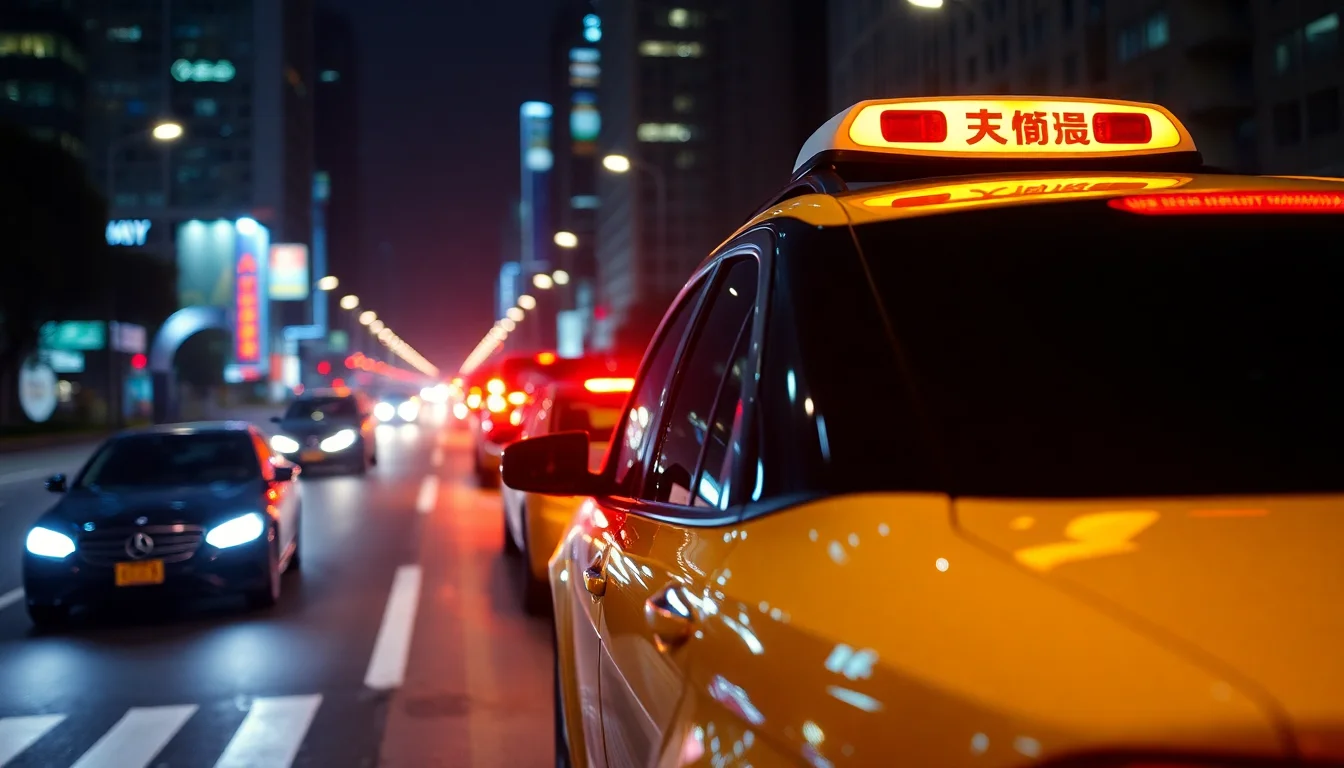
Baidu’s robotaxi service in Wuhan appears to have suffered a full-service outage that left passengers stranded in vehicles on highways and disrupted traffic across the city. According to Wired’s reporting, the failure was not a single-car anomaly or a localized pickup issue: it affected the service layer well enough to create a broader operational mess, including traffic jams and crashes tied to stopped or immobilized robotaxis.
That distinction matters. In autonomous driving, the public conversation still tends to orbit the vehicle — perception, planning, lidar, maps, and model performance. But a robotaxi is not just a self-driving car; it is a managed fleet service. The Wuhan incident points to a system failure spanning the stack around the vehicle: dispatch, fleet coordination, connectivity, remote supervision, and whatever mechanism is supposed to keep the service safe and recoverable when software or infrastructure degrades.
For riders, the practical consequence was simple and unpleasant: they were stuck. For everyone else on the road, the failure became a traffic problem. That is what makes this different from a routine app outage or a bad pickup experience. A robotaxi service is expected to fail gracefully. If the network cannot dispatch, if remote operators cannot intervene quickly, or if the vehicle does not have a trustworthy fallback path, then the operational failure migrates from the control room onto the roadway.
That fallback path is the real engineering test. A credible autonomy deployment needs more than impressive demo rides and isolated success metrics. It needs a containment strategy for the moments when the service layer breaks: how the vehicle reaches a safe state, how passengers are informed, whether a human can take over remotely, and how the system avoids turning a software failure into a roadside hazard. The Wuhan outage suggests that the hard part of robotaxi deployment is not only making the car drive; it is making the entire service remain legible and safe when something upstream goes wrong.
That is why incidents like this land as product failures as much as safety events. They shape whether passengers trust the service, whether regulators see the rollout as mature, and whether operators can credibly argue that they are ready to expand beyond tightly managed pilots. A robotaxi program can post strong local performance and still struggle if it cannot absorb a systemic interruption without stranding riders or blocking traffic.
The market implication is straightforward: autonomous ride-hailing is being judged less on what it can do on a good day and more on how it behaves on a bad one. Every outage makes the distinction sharper between a demoable autonomy stack and a dependable transportation product. In Wuhan, the weak point was not just the car on the road. It was the service architecture wrapped around it — and that is the part the market will increasingly price into rollout pace, regulation, and trust.


