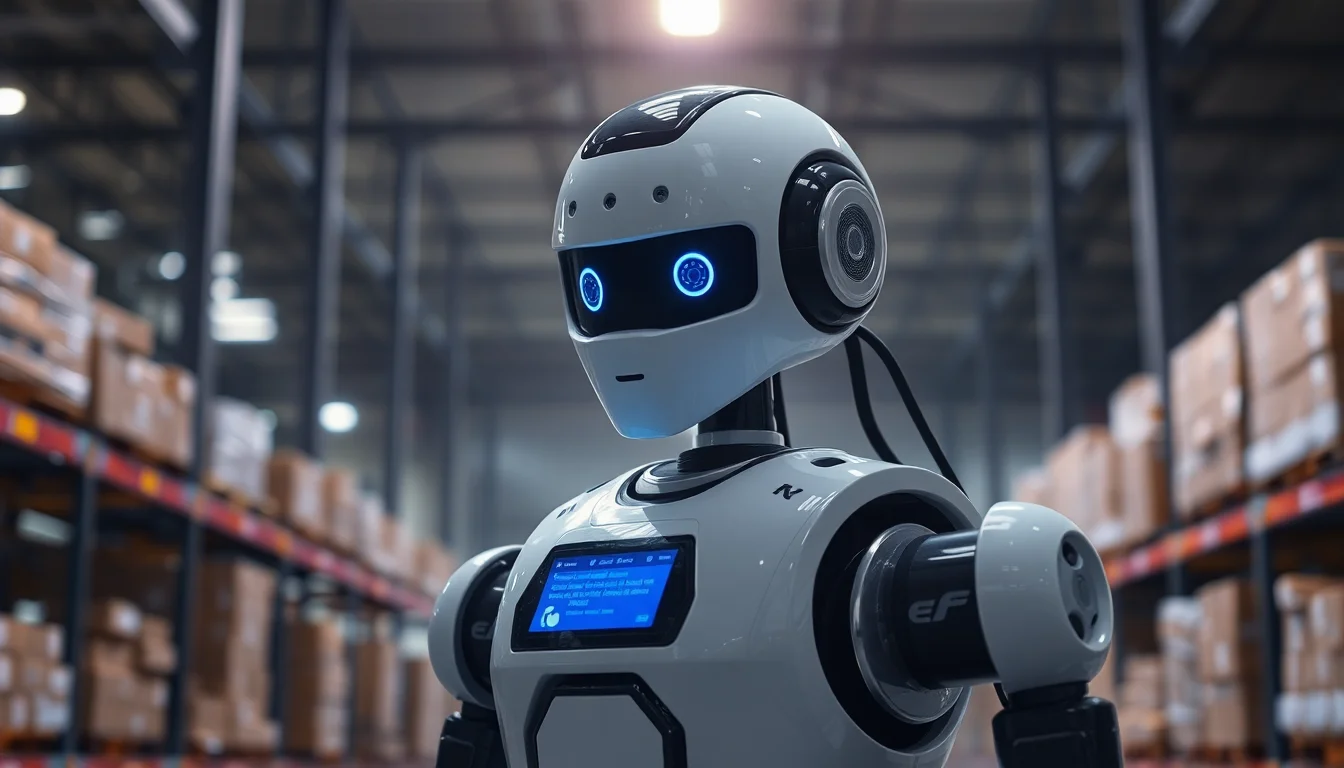
Figure AI has crossed an important line with Catalyst Brands: the companies are no longer describing a pilot, but a commercial agreement to deploy humanoid robots across Catalyst’s distribution and logistics network, starting at the retailer’s Reno, Nevada center.
That distinction matters. Pilots can be designed to showcase capability in tightly bounded conditions. A commercial rollout, even if it begins at a single site, implies a much harder test: whether the robots can be woven into live operations without disrupting warehouse cadence, labor planning, or the systems that already run the building.
Catalyst Brands is a multi-brand operator with names including JCPenney, Aéropostale, and Brooks Brothers. For Figure, that makes the Reno deployment more than a demo floor with racks and totes. It becomes a test of whether a humanoid robot can move between workflows, handle physically demanding tasks, and do so inside a logistics environment that is shaped by inventory rules, exception handling, and throughput targets rather than a lab script.
The core technical question is integration. In practice, that means WMS/TMS integration cannot be an afterthought. If Figure’s robots are to contribute reliably inside Catalyst’s distribution and logistics network, they need to align with warehouse management and transportation management systems, understand task assignment logic, and exchange status data cleanly with the software stack that coordinates labor and shipment flow.
That also raises the bar for interoperability. A multi-brand retailer rarely runs a clean-room warehouse. It operates through changing SKUs, shifting labor patterns, seasonal surges, and process variation across sites. Figure’s claim that its humanoid systems offer a flexible solution that can be deployed across a diverse, multi-brand portfolio is only meaningful if the robots can adapt to those operational differences without constant reprogramming or extensive site-by-site customization.
Safety and control systems will be just as central as autonomy. In a live distribution center, the robot has to work around people, equipment, and moving goods while maintaining predictable behavior under variable conditions. That points to the need for robust sensor fusion, edge AI processing for low-latency decisions, and safety/compliance controls that can be enforced consistently as the deployment expands beyond Reno.
The economics are less dramatic than the headline suggests, and that is where the real test begins. Automating physically demanding tasks may improve ergonomics and reduce strain on workers, but operators still have to account for maintenance, software updates, battery or power management, training, monitoring, and the overhead of system integration. The question is not whether a humanoid robot can complete a task in isolation. It is whether the total operating model makes sense once those lifecycle costs are included.
That is why time-to-value will matter more than grand claims about transformation. If the robots require too much human babysitting, or if every new workflow introduces integration work that erodes deployment speed, the economics weaken quickly. If, however, the platform can be introduced with modest disruption and reused across different sites in the network, it would strengthen the case for humanoid systems as a category in logistics.
For the broader market, the Reno rollout is likely to be watched as a benchmark rather than a one-off announcement. Retailers and logistics operators are looking for evidence that humanoid robots can fit into real warehouse operations without forcing a wholesale redesign of process and software. Vendors, meanwhile, will be comparing how quickly they can move from point deployments to repeatable commercial agreements.
The risk is straightforward: if integration proves brittle, or if the labor and support overhead overwhelms the gains, enthusiasm for humanoid robotics could cool fast. But if Figure and Catalyst can show that the robots reliably slot into existing workflows, the deal could shape how the industry thinks about standards, deployment cadence, and competitive positioning in warehouse automation.
For now, Reno is the site to watch. It is where the promise of humanoid robots meets the less forgiving reality of a distribution and logistics network that has to keep moving every day.


