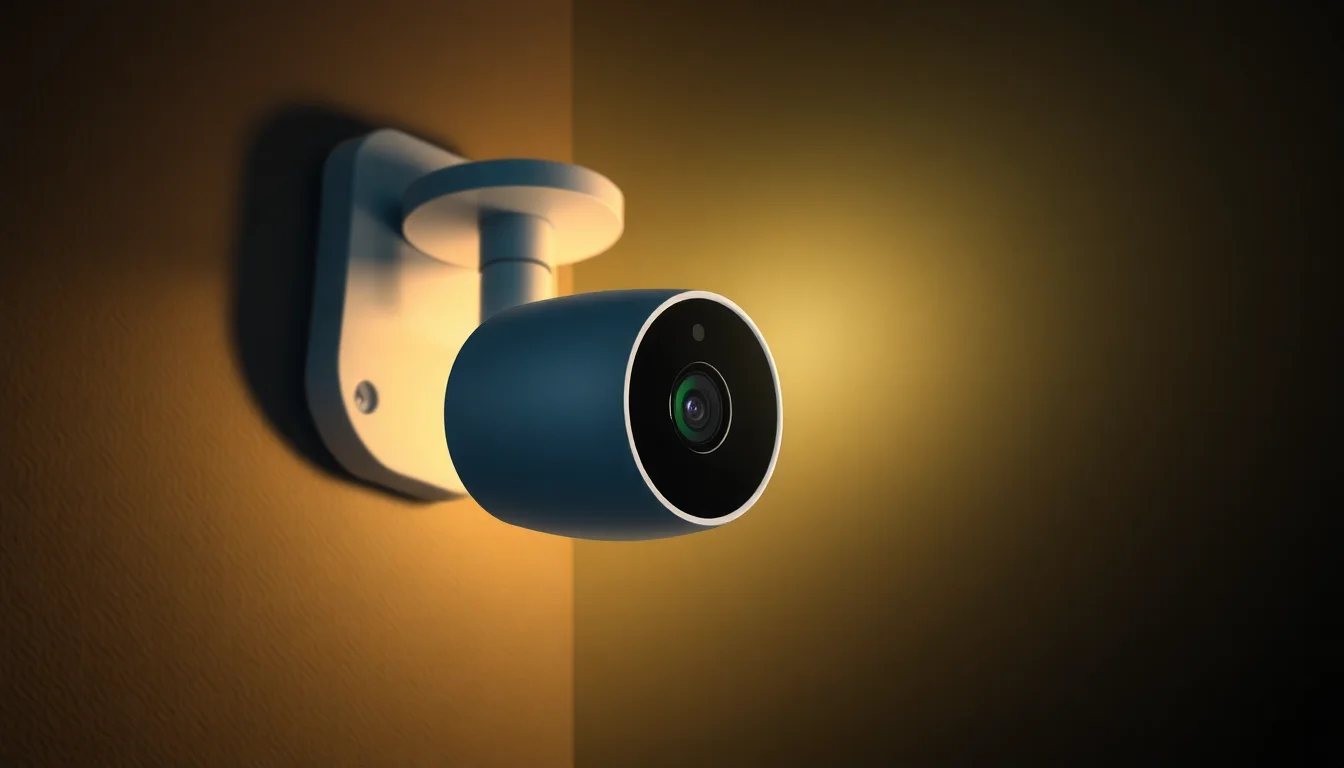
Google’s Nest Cam with Floodlight has dropped to $179.99 at major retailers including Amazon, Best Buy, Home Depot, and Google itself, a $100 discount that pushes a fairly capable outdoor camera into a price band that matters for pilots, rollouts, and replacement cycles.
That matters because this is not just a light with a camera bolted on. The hardware is an outdoor wired form factor with dual floodlights, built around 1080p video, a 130-degree diagonal field of view, weather resistance, and color night vision. For teams evaluating physical security or property-monitoring deployments, the sale price changes the calculus: what used to sit in the “nice to have” bucket can now compete with far less capable hardware on procurement sheets.
The more interesting shift is on the AI side. Google says the camera uses on-device processing for smart alerts covering people, vehicles, and animals. In deployment terms, that pushes part of the inference workload to the edge, reducing dependence on constant cloud round-trips for basic event detection. The benefit is obvious: lower latency for notifications, less upstream video traffic, and a more cloud-light architecture for sites where bandwidth is constrained or cloud spend is scrutinized.
But edge inference does not erase the operational questions; it relocates them. Once you start relying on local processing, teams still need a plan for model behavior, device lifecycle management, firmware updates, and what happens when the edge model and the cloud policy layer drift out of sync. The device may make smart alerts cheaper to deliver, but it also creates a new surface area for IT and security teams that are already balancing camera fleets, authentication, and network segmentation.
The hardware fit is straightforward enough for mainstream deployments. The Nest Cam Floodlight is meant for outdoor installation, it is wired, and it bundles illumination with capture in a single unit. The camera also integrates into Google’s Nest ecosystem, which may be enough for teams already standardized on Home/Google tooling. The absence of a siren is notable, but the practical question for most buyers is total system design: how much visibility do they need, how much active deterrence do they want from the lights, and how much operational overhead are they willing to take on for recording and retention?
That is where the pricing structure becomes as important as the sticker price. According to Google’s current setup, even without a subscription the camera can store the past three hours of video and send motion alerts when it detects people, vehicles, or animals. If teams want continuous recording and 30 or more days of saved video, they need a Google Home Premium plan, starting at around $10 per month. For a single household that may look modest; for a multi-site deployment, the recurring cost can quickly outrun the hardware discount.
This is the familiar edge AI tradeoff, just compressed into a more affordable package. Cheaper devices lower the barrier to deployment, but the economics do not stop at purchase. Storage policy, retention windows, and access controls often become the real budget drivers, especially when the system is expected to support audits, incident review, or internal governance requirements.
There is also a policy layer that grows sharper as these devices become more common. On-device processing changes how much video has to leave the camera, but it does not eliminate concerns around data retention, facial recognition usage, or compliance with internal and regulatory rules. The more cameras you deploy, the more you have to define who can access footage, how long it can persist, and which alerts are acceptable to generate at the edge versus in the cloud.
For competitors, the signal is hard to miss. A sub-$200 floodlight camera with edge processing and mainstream retail distribution widens the addressable market for budget-conscious pilots and scale-up deployments. That should pressure rival vendors to compete not only on image quality or app polish, but on the practical things technical buyers now care about: privacy controls, retention defaults, integration with existing workflows, and whether the edge/cloud split actually reduces operational friction.
In other words, the price drop is more than a deal. It is evidence that AI-enabled surveillance hardware is moving closer to the mainstream procurement threshold, where the next bottlenecks are less about whether the device exists and more about how teams govern, integrate, and pay for it over time.


