1. The threshold has been crossed: from novelty to practical lawn care
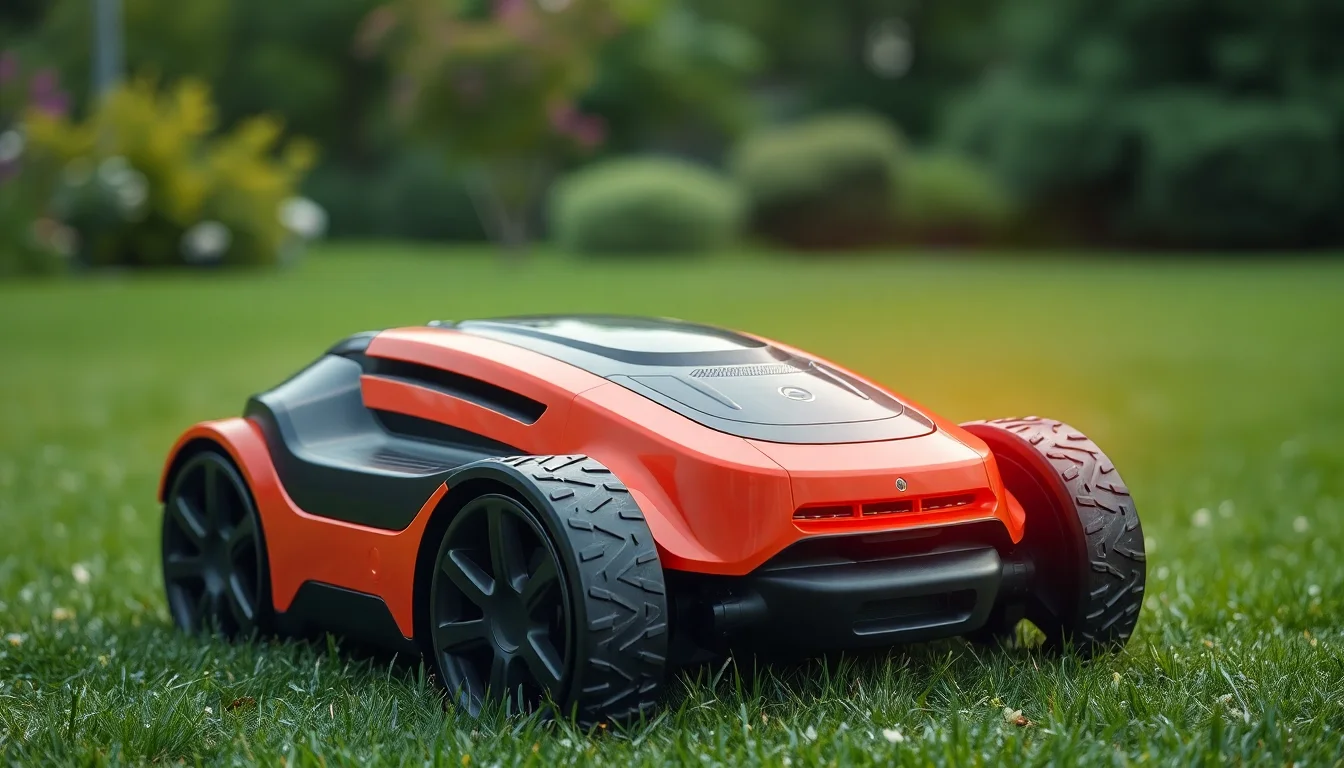
A decade of tinkering with autonomous lawn devices culminates in a category that behaves less like a gadget and more like a low‑effort lawn-care service. A Wired profile published April 6, 2026 argues the shift is real: affordable, effective robot mowers are widely available, simplifying lawn maintenance for households and small fleets alike. The claim isn’t merely about price or novelty; it’s about reliability and consistent performance across real yards. The upshot is a device class that starts to resemble a deployable platform rather than a weekend toy, with predictable results that don’t demand constant human supervision.
That framing matters because it signals a change in expectations: the core technology is now stable enough to be scaled, standardized, and integrated into broader property-management workflows. The threshold was not a single breakthrough but a convergence of hardware affordability, robust embedded intelligence, and navigation reliability that survives real-world variance in grass, slope, and boundary layouts.
2. What changed technically: embedded AI, sensors, and edge compute
What makes today’s mowers reliable is less about sharper blades and more about where computation happens and how perceptions are fused. The latest machines lean heavily on edge inference—on-device AI that processes sensor data without routing every frame to the cloud. This reduces latency, limits dependency on network conditions, and enables faster corrective actions if a boundary is crossed or an obstacle appears.
Crucially, these platforms deploy a perception stack designed for lawn-scale autonomy: sensor fusion that integrates navigation signals, boundary detection cues, and obstacle avoidance inputs into a coherent world model. The result is more predictable path planning, fewer false exits from property lines, and fewer missed blades of grass due to transient occlusions. Actuation benefits from this improved state estimation as well; smoother acceleration, gentler turning radii, and energy-aware routing help stretch run times without sacrificing coverage. The Wired reporting underscores that these improvements translate into better performance and efficiency versus earlier generations, reinforcing the move from gadget to dependable lawn-care tool.
3. Market footprint and deployment models: homeowners to professionals
Affordability is broadening the addressable market beyond hobbyists and tech enthusiasts. The current generation sits at a price point and reliability level that makes mass-market adoption plausible, while ecosystem integration with home automation platforms and app-based controls makes management incidental rather than burdensome. In practice, this means more than DIY lawn care; it foreshadows professional deployment patterns—fleet management for multi-property portfolios, property-management services, and seasonal maintenance contracts that rely on standardized hardware, OTA updates, and remote diagnostics.
The trend Wired highlighted is a more fluent transition from consumer gadget to deployable lawn-care platform: a device designed, tested, and packaged for regular service workflows, with a ceiling that isn’t capped by user tinkering or inconsistent software updates.
4. Policy event and risk: safety, data, and standards
Rising capability and ubiquity bring policy questions into sharper relief. Safety protocols and liability frameworks are becoming part of the conversation as these machines operate in outdoor spaces around people and pets. Data privacy concerns—what the mower records about a yard, how maps and movement data are stored or transmitted, and who has access—are not abstract issues when a device traverses every lawn edge and corridor of a property.
As capability grows, so does the regulatory and standards context. The trend is toward formalizing safety regimes, codifying responsibilities for owners and operators, and outlining how data should be handled in consumer robotics deployments. This is not fear-mongering; it’s a practical tilt toward risk management that aligns product design with evolving expectations from homeowners, insurers, and municipal authorities.
5. Implications for engineers and product teams
For builders and operators, the practical takeaway is to design for reliability at scale, not merely for best-case demonstrations. Key priorities include:
- Robust edge AI architectures: favor on-device inference pipelines that degrade gracefully when sensors drift or when lighting and weather perturb perception.
- OTA update pathways: ensure hardware and software can be updated over time without compromising safety or serviceability, with rollback and rollback testing baked in.
- Modular sensors: design around swappable sensing modalities so the platform can evolve with sensor technology without a full rebuild.
- Rigorous testing across diverse lawns: simulate and test with varying grass types, slopes, clutter, and boundary configurations to expose edge cases early.
- Serviceability and remote diagnostics: enable maintenance teams to troubleshoot via remote telemetry, reducing downtime and true-on-site visits.
The lesson from the current landscape is pragmatic: a reliable mowing robot today isn’t a miracle gadget, it’s a platform whose engineering stack—edge AI, sensor fusion, and a well-considered lifecycle—supports deployment at scale while navigating safety, privacy, and liability concerns.


