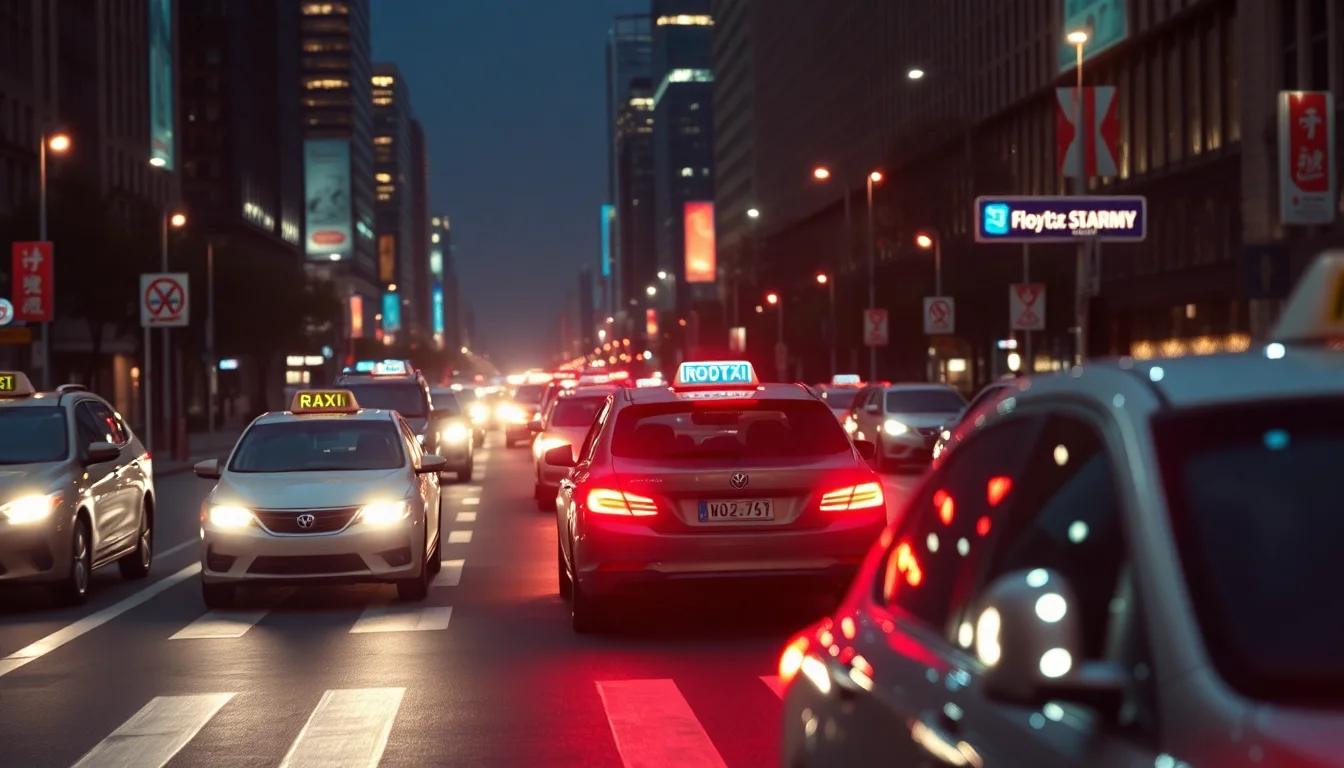
Robotaxi fleets are scaling faster than public trust
The robotaxi story has entered a strange phase: the technology is no longer hypothetical, the fleets are no longer tiny pilots, and the safety data is no longer sparse. About a dozen cities now host robotaxi operations, and the operational record is starting to accumulate in a way that should, in theory, make the case for broader adoption.
But the public has not followed the telemetry. As The Verge reported this week, poll after poll still shows deep skepticism toward autonomous vehicles, including a reluctance to ride in a car without a human driver even when the available evidence suggests the system may be safer than a typical human behind the wheel. That mismatch matters now because robotaxi operators are moving from proving technical feasibility to proving they can sustain a business.
Telemetry is improving. Trust is not.
This is the central paradox in robotaxi deployment: the data can trend in the right direction while the market response stays flat.
From an engineering standpoint, operators can point to miles driven, intervention rates, incident logs, and expanding geographic coverage. Those are meaningful indicators, especially for internal validation and regulatory review. But they do not automatically translate into rider willingness. For most consumers, adoption is not a statistical exercise. It is a judgment call about whether the system appears safe, understandable, and controllable enough to step into.
That makes perception a gating factor in the near term. If people do not believe the system is safe, lower crash rates alone will not drive usage quickly enough to justify aggressive rollout economics. The result is an awkward business reality: fleets may be able to expand technically before they can expand commercially.
What that means for safety cases
The trust gap changes what counts as a credible safety case.
A robotaxi safety case cannot rely only on aggregate performance claims. It has to show how the system behaves in the scenarios that matter most to riders, regulators, and city officials: unpredictable pedestrians, construction zones, blocked lanes, degraded sensor performance, awkward handoffs, and failure modes that are rare but operationally decisive. In other words, the question is not just whether the fleet is safer on average, but whether it is demonstrably robust where human intuition still worries.
That pushes operators toward a few technical priorities:
- Edge-case validation needs to become legible. It is not enough to say the system is “tested extensively.” Operators need a stronger story around the classes of events covered, the conditions under which performance degrades, and how rare scenarios are simulated, reproduced, and retired.
- Fail-operational behavior matters. If a vehicle can continue safely under a subset of component failures or sensor degradation, that should be reflected in how the product is designed and explained. Riders do not need raw redundancy diagrams, but they do need confidence that a minor fault does not become an unsafe stop.
- Sensor reliability should be tied to weather and environment. Safety claims land differently when they are grounded in the conditions that actually affect urban service: rain, glare, nighttime visibility, occlusion, and road complexity.
- Validation has to match deployment reality. As fleets move from test corridors into broader city service, the verification regime needs to keep pace with the operational envelope, not lag behind it.
The wider implication is that safety engineering and trust engineering are now inseparable. A system can be technically sound and still fail if the safety story is too abstract to persuade a skeptical public.
Rollout design is part of the product
That same logic applies to deployment strategy. Expanding into more cities is not just a logistics decision; it is a communication decision.
Rolling out robotaxis in about a dozen cities gives operators a larger operating base, more data, and more opportunities to tune the product. But scale also creates more surfaces for public scrutiny. Every route pattern, pickup experience, vehicle behavior, and incident response becomes part of the user’s mental model of whether the service is trustworthy.
That means rollout design needs to do more than maximize service area and ride volume. It should also reduce uncertainty for first-time users.
Concrete steps include:
- Independent safety audits that are understandable to non-specialists, not just internal reports.
- Clear risk disclosures at the point of booking, with enough specificity to avoid sounding like legal boilerplate.
- Opt-in onboarding flows that let cautious riders learn the product before they commit to a trip.
- More transparent incident communication when things go wrong, including what happened, what the system did, and what changed afterward.
- Selective city launches that prioritize operational clarity and repeatable conditions, not just headline expansion.
The goal is not to oversell certainty. It is to make the system’s actual safety performance easier to verify, easier to understand, and easier to compare against the human alternative.
Why UX now matters as much as autonomy
For many riders, the first trust signal is not a certification document. It is the product itself.
A confusing app flow, vague pickup instructions, or an opaque vehicle state can amplify anxiety even if the underlying autonomy stack is performing well. Conversely, a carefully designed UX can make the system feel more predictable: where the vehicle will stop, how the rider confirms identity, what to do if the car pauses unexpectedly, and how support is accessed in real time.
That is not a cosmetic concern. It is part of the operational safety envelope. The more the rider understands what the car is doing and why, the less likely small anomalies are to be interpreted as failures. In a market where skepticism is already high, clarity is a feature.
What to watch over the next 90 days
The next quarter will not settle the robotaxi debate, but it should reveal whether operators are beginning to address the trust gap with the same seriousness they bring to autonomy itself.
Watch for three signals:
- Regulatory moves that demand clearer evidence. If city or state agencies ask for more explicit safety disclosures, auditability, or reporting, that will push operators toward more structured proof.
- New deployment announcements that come with more operational detail. City expansion is easy to tout; the more meaningful signal is whether operators explain how those launches change validation, support, and incident handling.
- Third-party assessment becoming part of the product narrative. Independent safety reviews, certifications, or benchmarking will matter most if they are published in forms that riders and local policymakers can actually interpret.
For now, the robotaxi industry faces a simple but stubborn reality: engineering progress is necessary, but not sufficient. Deployment can expand faster than adoption, and safety telemetry can improve faster than public confidence. Closing that gap will require not just better autonomy, but better evidence, better communication, and better product design around the human decision to get in the car.


